


-

Add: HeBei ShengShi HongBang Cellulose Technology CO.,LTD.
-

Email
13180486930@163.com -

CONTACT US
+86 13180486930




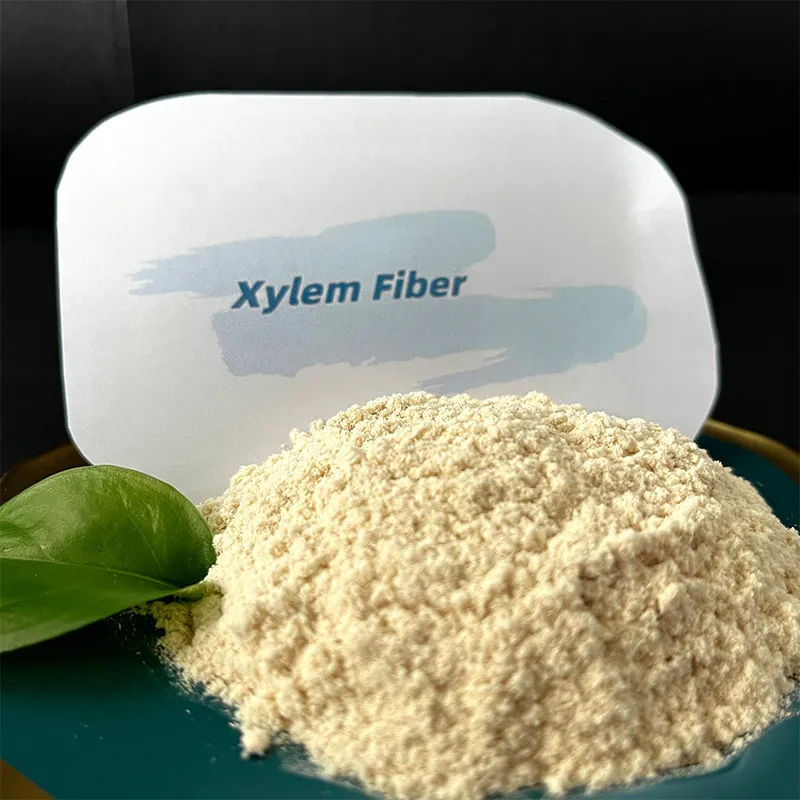
Xylem Fiber , a natural and renewable resource derived from wood, has emerged as a game-changer in the construction and manufacturing industries. This innovative material, processed through advanced chemical and mechanical treatments, offers a sustainable alternative to traditional raw materials while enhancing product performance. As global demand for eco-friendly solutions grows, HeBei ShengShi HongBang Cellulose Technology CO.,LTD has positioned itself as a leader in harnessing the potential of wood cellulose to create high-quality, versatile products. This article explores the features, advantages, technical specifications, and applications of Xylem Fiber , alongside the company's commitment to sustainability. Core Features of Xylem Fiber Xylem Fiber is derived from the cellulose extraction from wood , a process that transforms raw wood into a refined, fibrous material. This natural resource is characterized by its high tensile strength, absorbent properties, and biodegradability. Unlike synthetic alternatives, Xylem Fiber retains its structural integrity while being fully compatible with eco-friendly manufacturing processes. Its unique composition allows it to integrate seamlessly into various industrial applications, making it a preferred choice for manufacturers seeking sustainable solutions. One of the standout features of Xylem Fiber is its ability to improve the mechanical properties of construction materials. When incorporated into concrete and mortar , it enhances durability and reduces the need for conventional additives. Additionally, its absorbent nature makes it ideal for producing wood pulp sponges , offering a biodegradable alternative to synthetic cleaning products. The fiber's versatility extends to the asphalt industry, where it acts as a reinforcing agent, improving the resilience of road surfaces. Advantages of Xylem Fiber The adoption of Xylem Fiber presents numerous advantages for both manufacturers and end-users. From an environmental perspective, its use reduces reliance on non-renewable resources, aligning with global efforts to combat climate change. By replacing traditional materials like cellulose wood fibers in medium density fiberboard (MDF) production, Xylem Fiber contributes to lower carbon emissions and waste generation. From a performance standpoint, Xylem Fiber enhances the structural properties of construction materials. For instance, in gypsum products , it improves workability and structural integrity, ensuring longer-lasting results. Its ability to withstand mechanical stress also makes it a valuable component in asphalt formulations, where it extends the lifespan of roadways. These benefits make Xylem Fiber a cost-effective solution for industries aiming to balance quality and sustainability. HeBei ShengShi HongBang Cellulose Technology CO.,LTD emphasizes responsible forestry practices in the production of Xylem Fiber . By sourcing wood from sustainably managed forests, the company ensures that its operations support ecosystem balance and biodiversity. This commitment to ethical sourcing further strengthens the environmental credentials of Xylem Fiber . Technical Specifications Parameter Details Material Source Wood (sustainably sourced) Processing Method Chemical treatments and mechanical processing Key Properties High tensile strength, absorbency, biodegradability Applications Concrete, mortar, gypsum products, asphalt, MDF Environmental Impact Reduces reliance on non-renewable resources; low carbon footprint Application Scenarios Xylem Fiber is widely used across multiple industries, each leveraging its unique properties to meet specific needs. In the construction sector, it is a critical component in concrete and mortar mixes, where it enhances strength and durability. Its incorporation reduces the amount of cement required, lowering costs and environmental impact. Similarly, in gypsum products , Xylem Fiber improves workability and structural stability, making it a preferred choice for interior wall systems. In the asphalt industry, Xylem Fiber acts as a reinforcing agent, improving the flexibility and longevity of road surfaces. This application is particularly beneficial in regions with extreme weather conditions, where traditional asphalt may degrade more quickly. For medium density fiberboard (MDF) production, Xylem Fiber provides a sustainable alternative to conventional wood fibers, enabling the creation of durable, eco-friendly building materials. The fiber's absorbent properties also make it ideal for wood pulp sponges , which are used in household and industrial cleaning. These sponges are fully biodegradable, offering a greener alternative to synthetic sponges. As industries continue to prioritize sustainability, the applications of Xylem Fiber are expected to expand further. Company Background: HeBei ShengShi HongBang Cellulose Technology CO.,LTD HeBei ShengShi HongBang Cellulose Technology CO.,LTD is a leading manufacturer specializing in wood cellulose and cellulose extraction from wood . With a strong focus on innovation and sustainability, the company has established itself as a trusted provider of high-quality, eco-friendly materials. Their expertise in processing cellulose wood fibers ensures that Xylem Fiber meets the highest standards of performance and environmental responsibility. Based in Hebei, China, the company adheres to rigorous quality control measures to deliver products that meet global industry requirements. Their commitment to sustainable practices extends beyond production, as they actively promote responsible forestry and waste reduction initiatives. By integrating Xylem Fiber into their product portfolio, HeBei ShengShi HongBang supports the transition toward greener technologies and contributes to the fight against climate change. For more information about Xylem Fiber and HeBei ShengShi HongBang Cellulose Technology CO.,LTD , visit their product page or company website . Authoritative Citations and References The environmental and technical benefits of Xylem Fiber align with research conducted by the National Institute of Standards and Technology (NIST) , which emphasizes the importance of sustainable materials in reducing carbon footprints. According to NIST, "Renewable resources like cellulose-based fibers play a critical role in advancing green technologies and supporting long-term ecological balance" ( NIST, 2023 ). These findings underscore the significance of Xylem Fiber in the broader context of sustainable manufacturing. Additionally, the U.S. Department of Energy highlights the potential of wood-derived fibers in improving energy efficiency in construction materials ( U.S. Department of Energy, 2022 ). By incorporating Xylem Fiber into their products, manufacturers can contribute to a more sustainable future while meeting evolving industry standards. Conclusion Xylem Fiber represents a transformative solution for industries seeking to balance performance with sustainability. Its natural origin, versatility, and environmental benefits make it an ideal choice for construction, manufacturing, and consumer goods sectors. Through the innovative efforts of HeBei ShengShi HongBang Cellulose Technology CO.,LTD , Xylem Fiber continues to redefine the possibilities of renewable resources in modern applications. As the demand for eco-friendly materials grows, Xylem Fiber is poised to play a pivotal role in shaping a more sustainable future. By leveraging the power of wood cellulose and cellulose extraction from wood , industries can reduce their environmental impact while delivering high-quality, durable products. For more information, explore Xylem Fiber and HeBei ShengShi HongBang Cellulose Technology CO.,LTD .
- 40000tons

Production
- 20+years

Experience
- 5000+㎡

Acreage

-
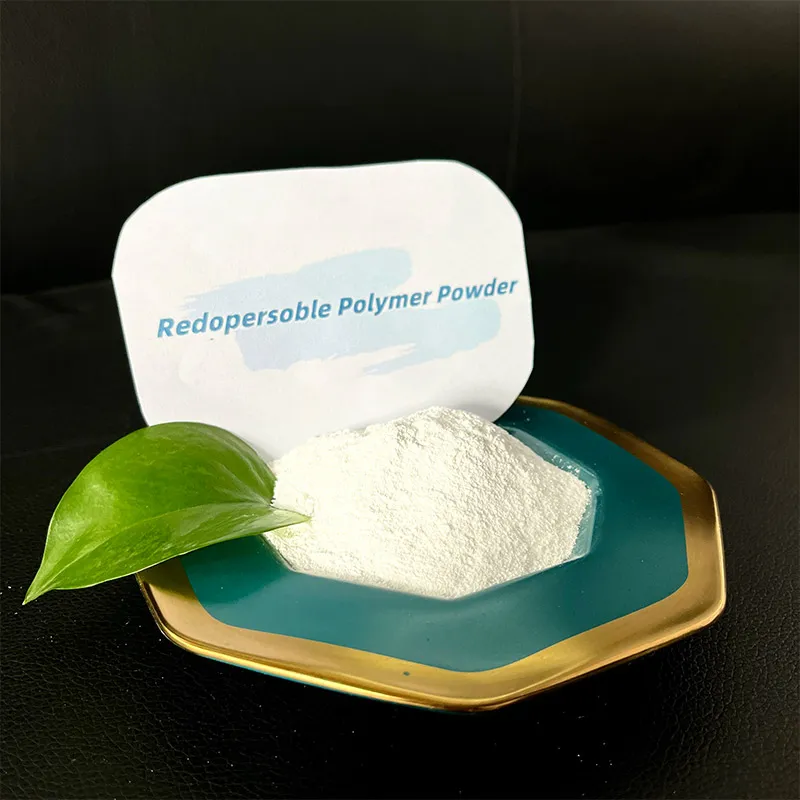
Company Overview HeBei ShengShi HongBang Cellulose Technology CO.,LTD. Visit Official Website Tel: +86 13180486930 Mobile: +86 13180486930 Email: 13180486930@163.com Address: HeBei ShengShi HongBang Cellulose Technology CO.,LTDRoom 1904, Building B, Wanda Office Building, JiaoYu Road, Xinji City, Hebei Province Product Details Product Name: Redispersible powder VAE Product Overview: Re-dispersible polymer powder products are a significant innovation in the realm of construction and industrial applications, offering versatile solutions due to their unique properties and capabilities. Product URL: https://www.sshbhpmc.com/redispersible-powder-vae.html Introduction to Redispersible Emulsion Powder and Its Industrial Importance Redispersible emulsion powder is a specialized additive manufactured from synthetic resin polymers, commonly VAE (Vinyl Acetate-Ethylene) copolymers. This advanced material is primarily designed to enhance flexibility, adhesion, water resistance, and workability in a variety of applications, especially within the construction sector. As a fine free-flowing powder, redispersible emulsion powder is produced by spray drying polymer emulsions with protective colloids. Upon contact with water, the powder re-disperses rapidly into a stable emulsion, restoring its original properties and integrating seamlessly into cement, mortar, and gypsum-based systems. According to the ScienceDirect Redispersible Polymer Powder Overview , “Redispersible powders are indispensable in drymix mortars, offering enhanced bonding strength and flexibility while improving end-user convenience.” With modernization and rising quality requirements in new buildings, renovations, and prefabricated components, redispersible latex powder and related products like polymer powder have seen a steady upward trend in demand worldwide. Industry Trends: Market Growth and Application Prospects The redispersible emulsion powder market is witnessing robust growth thanks to its rising utilization in: Durable tile adhesives High-flexibility wall putties and plasters Self-leveling flooring compounds External insulation & finishing systems (EIFS) Waterproofing membranes and hydro-insulation layers Gypsum-based renderings and repair mortars Flexible cementitious grouts According to Mordor Intelligence , the global redispersible powder market is expected to surpass USD 3.5 billion by 2027, driven by mega construction projects, sustainable building practices, and rapid infrastructure development in Asia-Pacific, Middle East, and Latin America. Key Chemical and Technical Parameters Table Parameter Typical Value (VAE Type) Significance Appearance White, free-flowing powder Ensures ease of drymix blending Solid Content (%) ≥98.0 Indicates quality, performance reliability Particle Size (µm) 80–150 Impacts dispersibility in mixes pH Value 5.0–8.0 Compatible with cementitious systems Polymer Base VAE (Vinyl Acetate-Ethylene Copolymer) Delivers desired flexibility and strength Minimum Film Forming Temperature (°C) 0–5 Enables application in various climates Redispersibility (%) ≥95.0 Assures rapid, thorough reactivation in water Protective Colloid Polyvinyl alcohol (PVA) / Cellulose ethers Affects stability and shelf-life Bulk Density (g/L) 400–600 Facilitates volumetric dosing Technical Parameter Trends ( Redispersible Emulsion Powder ) VAE Redispersible Powder: Application Scenarios and Value Proposition VAE redispersible powder , such as the "Redispersible powder VAE" by HeBei ShengShi HongBang Cellulose Technology, is essential in: Tile adhesives & grouts – ensures powerful bonding, improved slip resistance, and flexibility. EIFS/ETICS – critical for weather resistance and crack bridging in insulation systems. Self-leveling screeds – imparts smooth application, shrinkage control, and higher durability. Gypsum plasters – upgrades their strength and surface cohesion. Waterproofing mortars – improves adhesion and abrasion resistance in wet areas. Repair mortars – boosts structure repair with excellent adhesion and flexibility. Innovative product engineering and the continuous improvement in VAE polymerization, as highlighted in ResearchGate studies , have broadened the versatility and market reach of redispersible powders in construction and industrial fields. Comparison & Visualization of Redispersible Powder VAE Technical Indicators The graphs above present a comprehensive view of redispersible powder VAE technical characteristics, confirming reliability and optimal performance for advanced construction chemistry. FAQ: Professional FAQ about Redispersible Emulsion Powder (VAE Type) 1. What is Redispersible Emulsion Powder made of? Primarily synthesized from VAE (Vinyl Acetate-Ethylene) copolymers , combined with protective colloids such as PVA and cellulose ethers, ensuring stability and easy re-dispersion. 2. What are the available grades/specs for construction applications? Different grades depend on polymer composition and particle size; e.g., grades with varying ethylene/VAc ratios, solid content (≥98%), and minimum film forming temperature for climate adaptability. 3. What installation standards are supported? Redispersible emulsion powders conform to standards like ASTM C472, EN 12004 (Tile Adhesives), and ASTM C91 (Masonry Mortars), ensuring compliance with both local and international regulations. 4. How does redispersible powder improve final mortar properties? It enhances flexibility, tensile strength, water resistance, workability, adhesion , and crack resistance—making mortars more durable and reliable under varying site conditions. 5. Are there environmental or safety certifications? Yes. Major polymer powder producers like SSHB hold ISO9001, ISO14001 certifications, and raw materials meet REACH & RoHS directives for environmental safety. 6. Can redispersible latex powder be stored long-term? What are best practices? Absolutely. Store below 30°C in a dry, sealed condition, avoid direct sunlight, and use moisture-resistant packaging. Standard shelf life is 12–24 months. 7. How does VAE compare with other polymer base options? VAE offers superior flexibility and workability at an economical cost, whereas acrylic-based powders focus on higher water resistance but at increased cost. Why Choose HeBei ShengShi HongBang Cellulose Technology CO.,LTD.? Expertise: Over a decade producing redispersible emulsion powder for clients across five continents, serving both generic and customized OEM/ODM requests. Authoritativeness: Renowned technical R&D team and laboratory, cited by forums like ChemLinked . Trustworthiness: Strict quality control, traceable raw materials, and robust logistics management support global projects reliably. “The integration of VAE-based redispersible emulsion powders in high-performance mortars continues to reshape the construction chemistry landscape.”— Journal of Cleaner Production References & Industry Citations For additional technical insights, market data, and scholarly analysis on redispersible emulsion powder and redispersible powder VAE , consult: ScienceDirect – Redispersible Polymer Powder ResearchGate – Application of Redispersible Polymer Powder in Mortar Mordor Intelligence – Market Report ChemLinked – Market Analysis Journal of Cleaner Production To order redispersible emulsion powder , customized VAE grades, or to consult with our experts, please contact HeBei ShengShi HongBang Cellulose Technology CO.,LTD. by email at 13180486930@163.com or call +86 13180486930 .
-
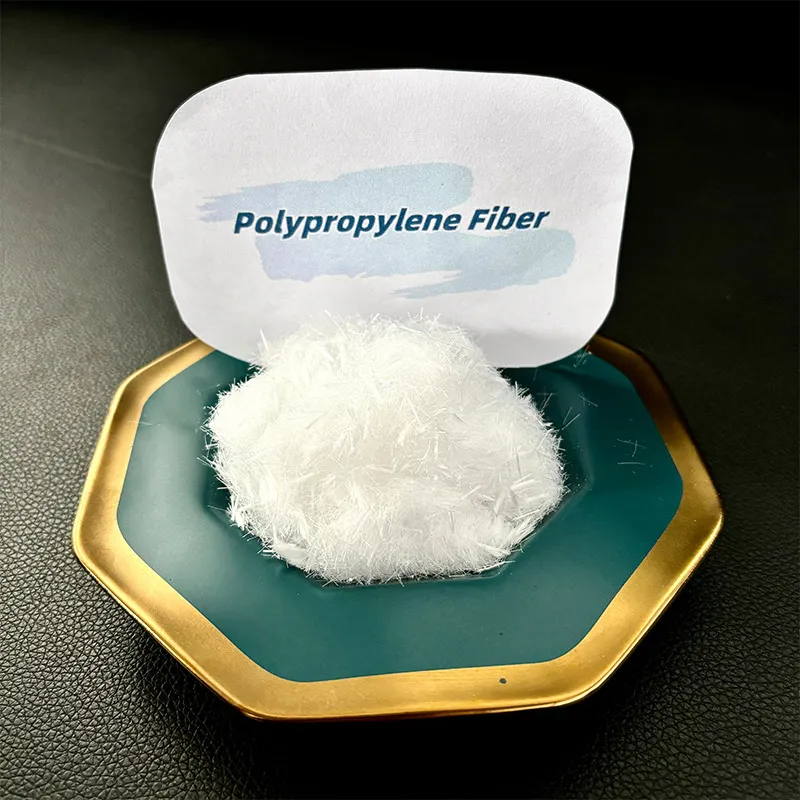
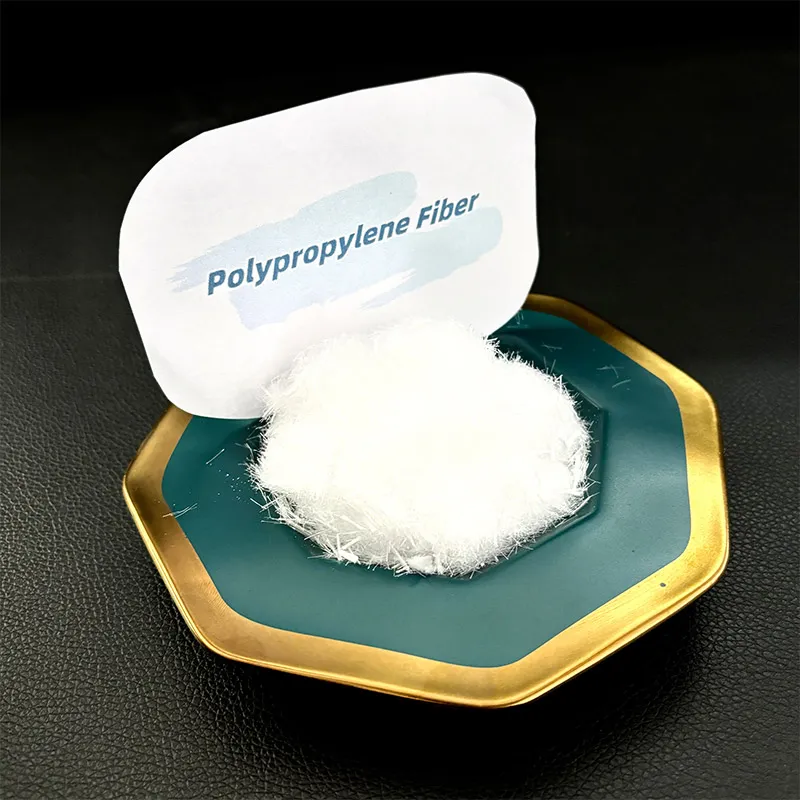
Fiber reinforced polypropylene (FRP) represents a groundbreaking advance in material science, uniquely blending the adaptable properties of polypropylene with the enhanced strength and durability of fiber reinforcements. This composite material is revolutionizing industries ranging from automotive to electronics, demonstrating unmatched performance and reliability. Composite materials, such as FRP, are designed to provide superior traits beyond those offered by single components. Polypropylene, a thermoplastic polymer, is well-recognized for its versatility, lightweight characteristics, and resilience to fatigue. However, its strength and stiffness can be inadequate for certain demanding applications. This gap is effectively bridged by incorporating fibers such as glass, carbon, or aramid, resulting in a composite with significantly improved mechanical properties. In automotive markets, the pursuit of lightweight materials without sacrificing strength is relentless due to increasing regulatory demands for fuel efficiency and emissions reduction. Fiber reinforced polypropylene offers an ideal solution, presenting an attractive balance of weight and performance. Its application in vehicle components, such as bumpers, dashboards, and under-the-hood parts, contributes significantly to overall weight reduction, leading to improved fuel economy and lowered emissions. Additionally, the composite’s resistance to impact and high tensile strength ensures enhanced safety and durability—imperative factors in automotive design. Moreover, the sustainability of fiber reinforced polypropylene makes it a material of choice for manufacturers intent on reducing environmental impact. Polypropylene is one of the most recyclable polymers, and when combined with recyclable fibers, the resultant composite can often be recycled or reprocessed with minimal degradation of quality. This attribute supports a more sustainable lifecycle, aligning with global sustainability trends and demands from environmentally conscious consumers. In the construction industry, fiber reinforced polypropylene is rapidly gaining traction due to its outstanding resistance to corrosion, chemicals, and moisture—all critical considerations in the longevity and maintenance of building structures. Its non-conductive nature also renders it suitable for applications where electrical conductivity may pose safety risks. For infrastructure projects, this composite material is utilized in components like reinforcing bars (rebars), panels, and deckings, offering longevity and reduced maintenance costs compared to traditional materials like steel. fiber reinforced polypropylene From an engineering perspective, designing with fiber reinforced polypropylene requires profound expertise. Each application demands a tailored approach in determining the type, orientation, and volume fraction of the fiber to achieve desired mechanical properties. Factors such as thermal conductivity, dimensional stability, and surface finish also need careful consideration during product development to ensure efficient manufacturability and performance under operational conditions. Fiber reinforced polypropylene is also notable for its applications in the consumer electronics sector . As the demand for portable, durable, and aesthetically pleasing devices continues to grow, manufacturers find themselves turning to this composite for enclosures and structural components. Not only does it provide the necessary rigidity and resistance to wear, but it also allows for intricate molding which is critical in designing sleek modern gadgets. Its capacity for vibrant coloration and finesse in surface texture showcases the composite’s flexibility in meeting aesthetic and functional requirements simultaneously. The aerospace sector similarly benefits from FRP’s lightweight and strong characteristics. Being a crucial contributor to the reduction of aircraft weight, it enhances fuel efficiency and range—an essential objective in aviation engineering. Used in the production of interior panels, seat structures, and certain aerodynamic surfaces, fiber reinforced polypropylene not only meets the stringent safety and performance standards but also minimizes operational costs over an aircraft’s service life. In summary, the multifaceted advantages of fiber reinforced polypropylene are proving indispensable across diverse industries. Its capacity to merge strength with lightweight and recyclable properties positions it as a leader in future material innovation and sustainability efforts. Expertise in its application can significantly enhance performance, reduce costs, and support environmental objectives. As new fibrous materials and technological advancements continue to emerge, the potential applications and benefits of FRP will undoubtedly expand, further entrenching its place as an essential material in modern engineering and product design.
advantages
-

200000 Viscosities
Excellent product
We can produce pure products up to 200,000 viscosities
-

40000 tons
High yield
We don’t stop production all year round, and the annual output can reach 40,000 tons
-

24 hours
Quality service
We provide 24-hours online reception service, welcome to consult at any time
———— Inquiry Form
Schedule A services
-
 polypropen_saruji_kraftigare
Oct . 25, 2025
Exploring the World of Fibers A Dive into Natural and Synthetic Choices In the ever-evolving landsca -
 nylon_is_man_made_fibre
Oct . 25, 2025
Kizuia Jasi Embracing Resilience and Strength In a world fraught with challenges, the concept of Kiz -
 hpmc_e15_properties
Oct . 25, 2025
HPMC Dextran is the innovative addition to the pharmaceutical excipients' domain that is capturing s


